

.jpeg)
A well-maintained hardwood floor can last for decades. If not properly maintained, it will become scratched, dull, and show signs of aging long before its time, regardless of the quality of the wood or the care taken during installation. However, the steps you should take vary considerably depending on the floor’s finish. Using the wrong products or methods on a varnished floor versus an oiled one can make the damage worse rather than fix it.
Identify the finish before taking action
he first step to proper maintenance is to know the type of treatment applied to the floor. This determines both the choice of products and the frequency of maintenance. A lacquered parquet floor, also known as varnished parquet, is coated with a protective film that remains on the surface without penetrating the wood. An oiled parquet floor, on the other hand, is treated with oil that penetrates the wood fibres. Waxed parquet is a more traditional and delicate finish, mainly found on older floors.
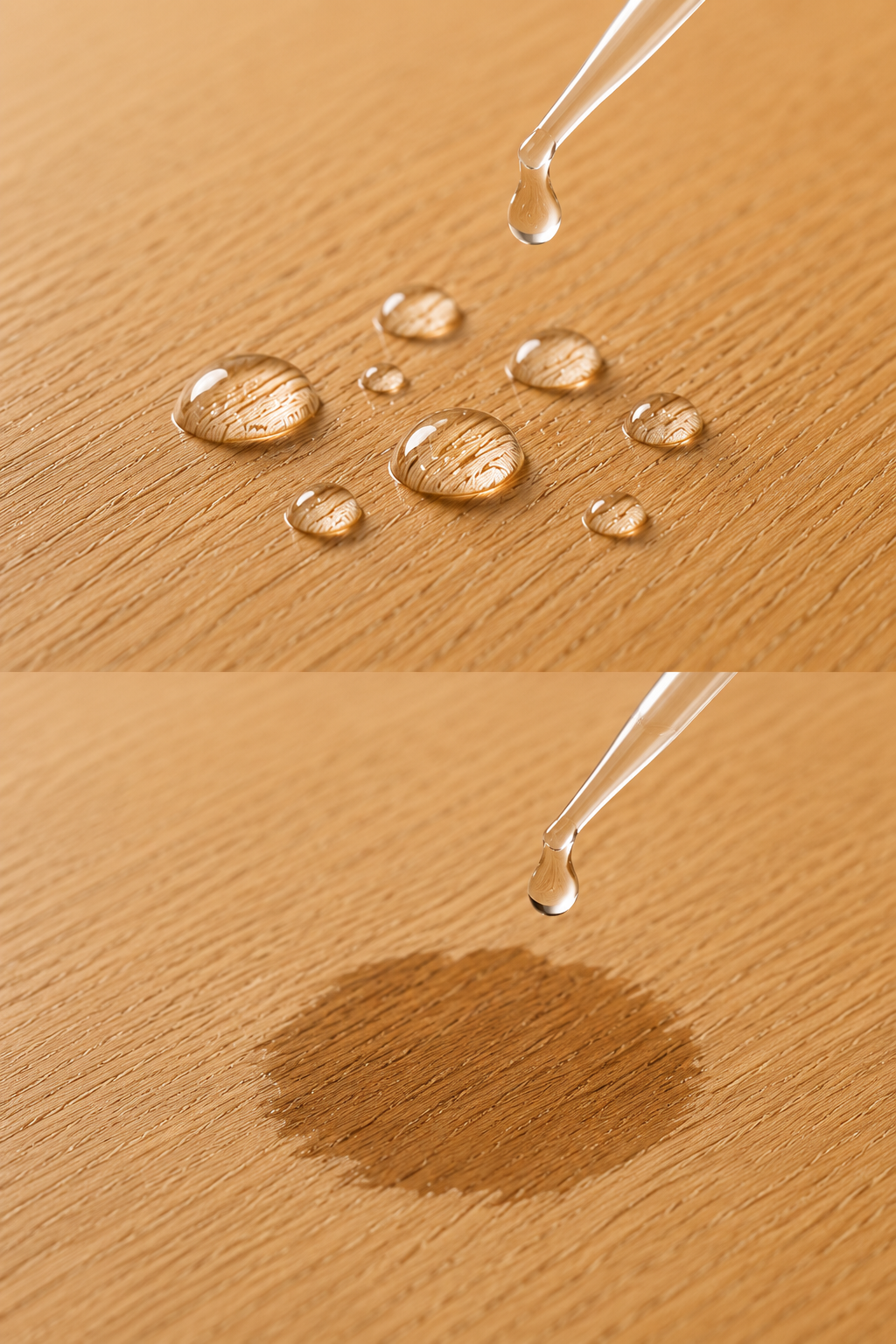
If you are unsure which treatment has been applied, a simple test can help: pour a few drops of water onto an inconspicuous area. If the water beads on the surface, the parquet is varnished. If it is gradually absorbed, the parquet is oiled or waxed.
.png)
.png)
Maintaining a lacquered or varnished parquet floor
Lacquered parquet is the most common type and, fortunately, the least demanding in terms of daily maintenance. Its protective varnish layer forms a barrier against moisture and minor impacts. Routine care simply involves regular dry dusting using a microfibre mop or a vacuum cleaner fitted with a soft brush specifically designed for parquet floors. The attachment should never scratch the surface.
Damp cleaning is possible, but should be kept to a minimum. A well-wrung microfibre mop, used in the direction of the boards, is sufficient for weekly cleaning. Excess water is the main enemy of this type of finish: it can seep between the boards, cause the wood to swell and lead to lifting that can be difficult to repair. Multi-purpose detergents should be avoided; only products specifically formulated for lacquered or varnished parquet should be used.
Once or twice a year, applying a suitable parquet renovator can help reduce the appearance of fine scratches caused by everyday use and restore the floor’s shine. In the event of deeper damage, sanding remains the most effective way to restore an even surface.
Maintaining an oiled parquet floor
Oiled parquet requires a little more attention, but in return offers excellent repairability. If a particular area becomes damaged, it can often be treated locally without having to refinish the entire floor, which is a significant advantage over time.
For everyday maintenance, the same principle applies: a dry microfibre mop removes dust and debris without damaging the finish. For damp cleaning, diluted black soap in lukewarm water is a suitable option. A well-wrung mop, used in the direction of the wood grain, is sufficient. Products containing wax or silicone should be avoided, as they can create a film that may interfere with subsequent oil treatments.
This type of finish requires periodic re-oiling, depending on the level of use. This treatment nourishes the wood, helps prevent it from drying out and maintains its resistance to stains. Specific maintenance oils, available in matt, glossy or natural finishes, can be used to treat individual areas precisely.
Maintaining a waxed parquet floor
Wax is becoming increasingly rare on new parquet floors, but is still commonly found in older homes. It gives the wood an authentic patina and warmth, but requires more regular care. Its main weakness is its sensitivity to water: any standing water that is not wiped up quickly can leave whitish marks that are difficult to remove.
Routine maintenance consists of dry dusting, followed by regular polishing with paste or liquid wax to maintain both the protection and appearance of the floor. In high-traffic areas such as hallways or entrances, monthly maintenance may be necessary. In a less frequently used living room, two or three applications per year are generally sufficient. For damaged areas, a wax remover can be used to remove the old layer before applying a fresh coat.
Mistakes that can damage a parquet floor
Several common practices can cause irreversible damage to parquet flooring.
Steam cleaners should be avoided on all types of parquet finishes. The combination of heat and intense moisture can penetrate the joints, cause the boards to swell and, in some cases, weaken the adhesives used in the flooring system. Multi-purpose household cleaners, acidic products and degreasers can also damage the surface finish and gradually dull the floor.
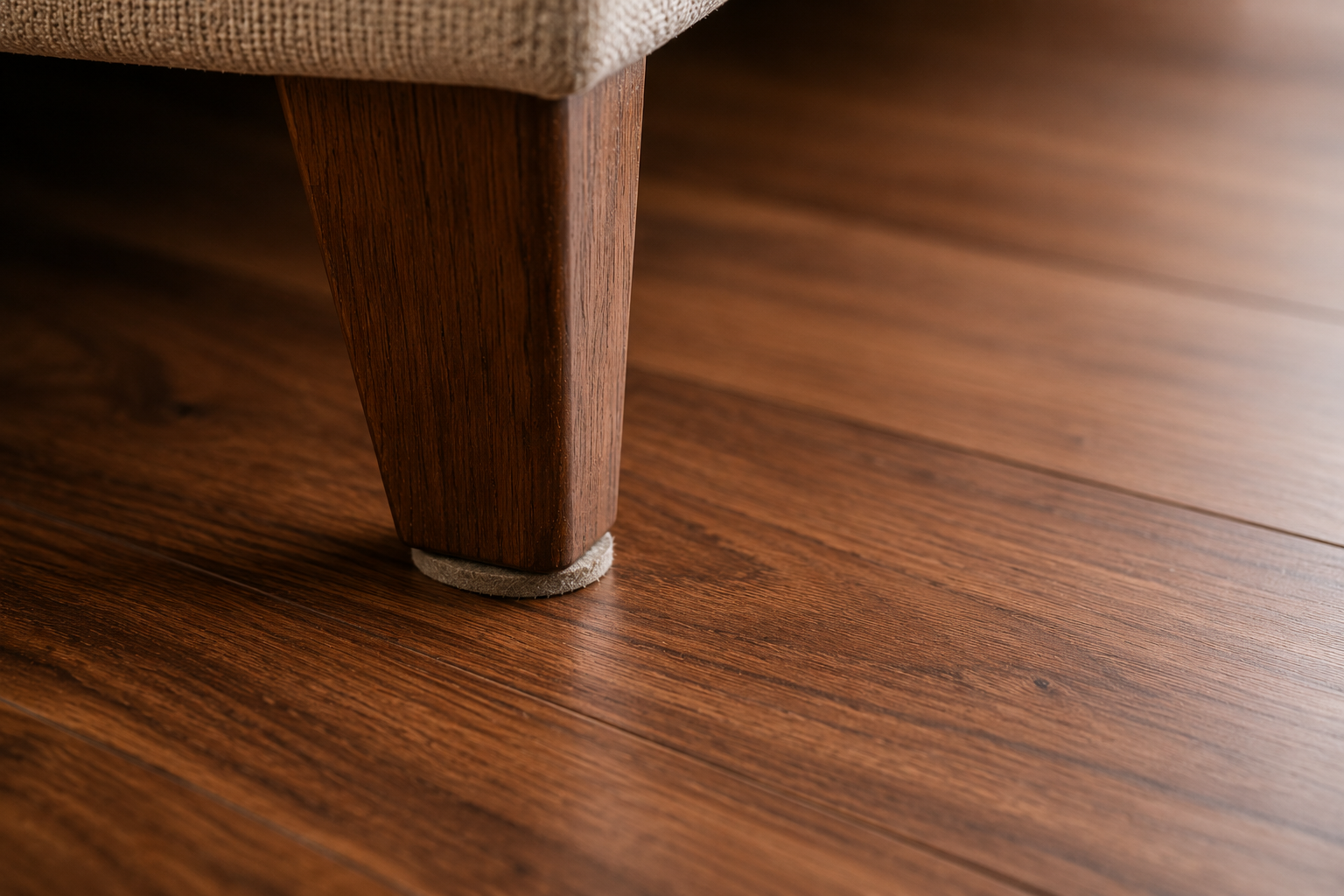
Furniture pads are often overlooked, yet they are one of the most effective ways to prevent scratches. Felt, rubber or silicone pads help protect the floor when furniture is moved and should be replaced regularly, as worn or dirty pads can scratch the finish just as easily as a sharp object.
Finally, controlling indoor humidity plays an essential role. Solid wood parquet is hygroscopic: it expands when humidity rises and contracts when conditions become dry. Maintaining a stable relative humidity level, ideally between 45% and 65%, can significantly extend the lifespan of the floor.
When to call a professional
Some situations go beyond routine maintenance. A parquet floor that squeaks, has raised boards, significant gaps between the boards or widespread wear to the finish may require professional attention.
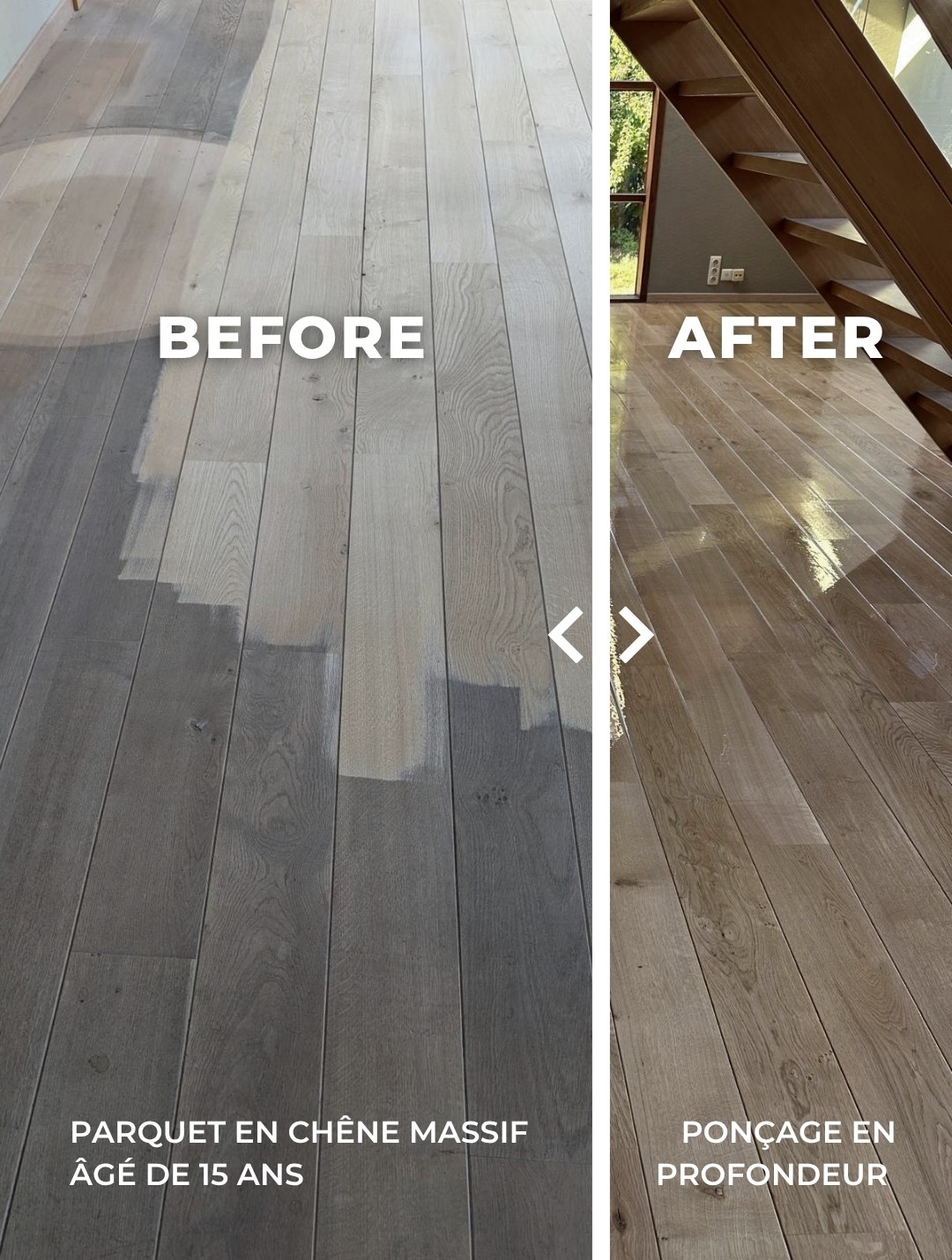
Parquet renovation involves sanding the floor to remove damaged surface layers before applying a new, suitable finish. It can also be an opportunity to change the type of treatment. Switching from a lacquered parquet to an oiled finish, for example, changes both the appearance of the floor and its future maintenance requirements.
La Parqueterie can assess the condition of your parquet and advise you on the most suitable solution: renovation, sanding, treatment, changing the finish or replacing individual boards. Our team also provides parquet installation, repairs to existing floors and advice on choosing the most durable finishes according to how each room is actually used.
Calling on a professional helps ensure a clean, durable result that suits your interior while preserving the quality of the wood over time.
Parquet flooring FAQ
How often should an oiled parquet floor be maintained?
An oiled parquet floor requires almost daily dusting in high-traffic areas, weekly damp cleaning with diluted black soap, and re-oiling once or twice a year, depending on the level of wear.
Can you use a steam cleaner on a wooden parquet floor?
No. High-temperature steam can damage all types of parquet finishes, whether lacquered, oiled or waxed. It can cause the boards to swell, affect the joints and permanently damage the surface. Steam cleaning should therefore be avoided on all wooden floors.
How can I tell whether my parquet is varnished or oiled?
Pour a few drops of water onto an inconspicuous area. If the water beads and remains on the surface without being absorbed, the parquet is lacquered or varnished. If the drops are slowly absorbed into the wood, the parquet is oiled or waxed.
Which products should I use to clean a lacquered parquet floor?
A dry microfibre mop is sufficient for routine maintenance. For a more thorough clean, use a slightly damp microfibre mop with a product specifically designed for lacquered or varnished parquet. Products containing wax, silicone or abrasive ingredients should be avoided.
Can scratched parquet be repaired without sanding the entire floor?
It depends on the finish. Oiled parquet can often be repaired locally by lightly sanding the damaged area and applying a new coat of oil. With lacquered parquet, local repairs tend to remain visible, so complete sanding followed by a new lacquer or varnish finish is generally required to achieve an even result.
The care of a hardwood floor depends primarily on its finish: lacquered, oiled, or waxed. Each type of hardwood floor requires specific products, techniques, and a specific maintenance schedule to prevent scratches, stains, and premature wear.
.png)
.png)
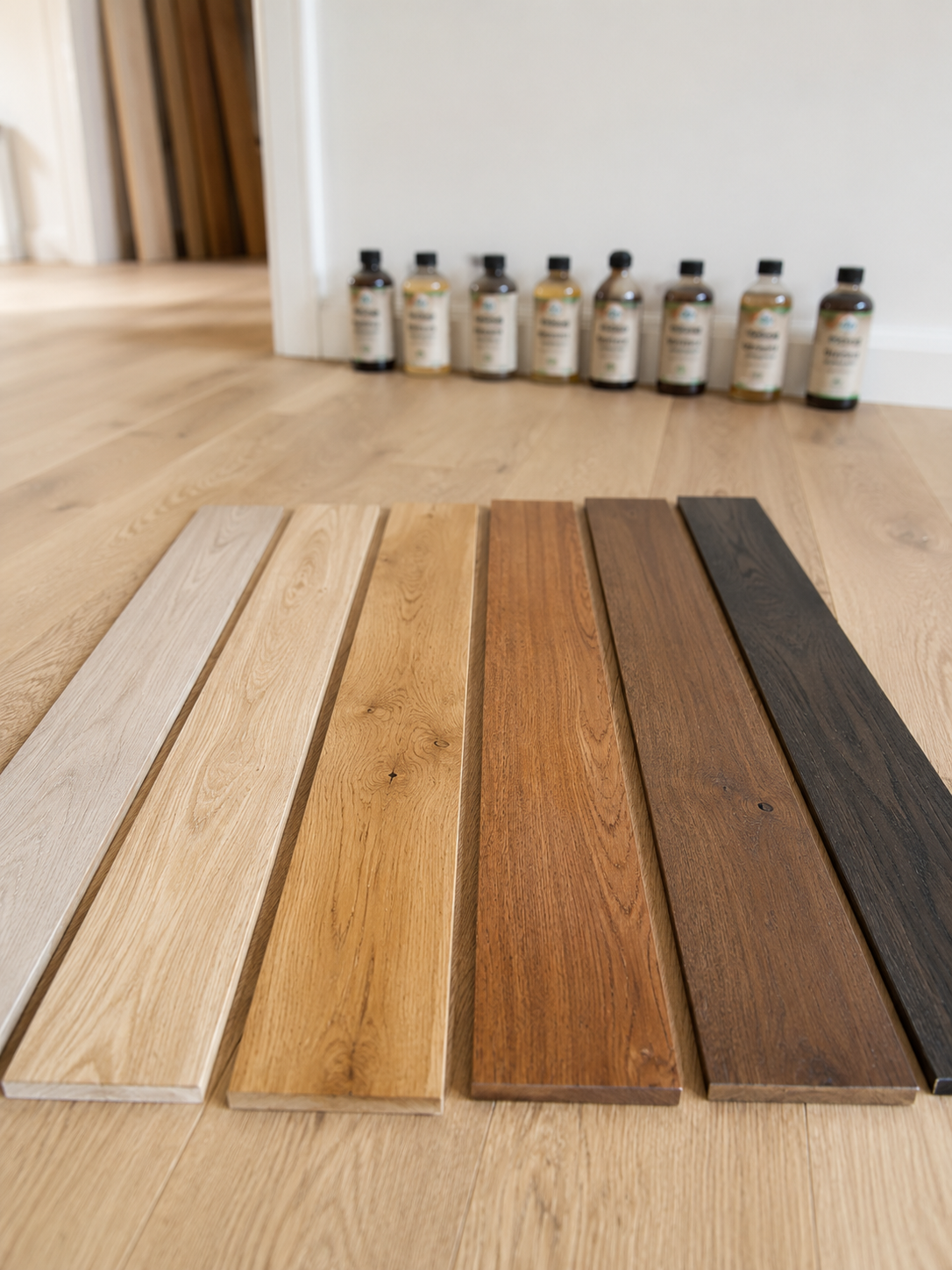
Choose the Right Shade for Your Parquet Flooring
The care of a hardwood floor depends primarily on its finish: lacquered, oiled, or waxed. Each type of hardwood floor requires specific products, techniques, and a specific maintenance schedule to prevent scratches, stains, and premature wear.

Our “Bois en Une” beer gets a makeover
“Bois en Une” is getting a makeover. Still brewed using the same original recipe, our signature beer now boasts a more vibrant, warm, and inviting identity, staying true to the spirit of La Parqueterie and the moments of togetherness it has helped celebrate since its inception.

La Parqueterie & In Vino Veritas – 30 Years of Passion
To celebrate the 30th anniversary of In Vino Veritas, La Parqueterie is hosting three days of wine tastings featuring 13 renowned winemakers—the perfect opportunity to explore our showroom over a glass of wine.